
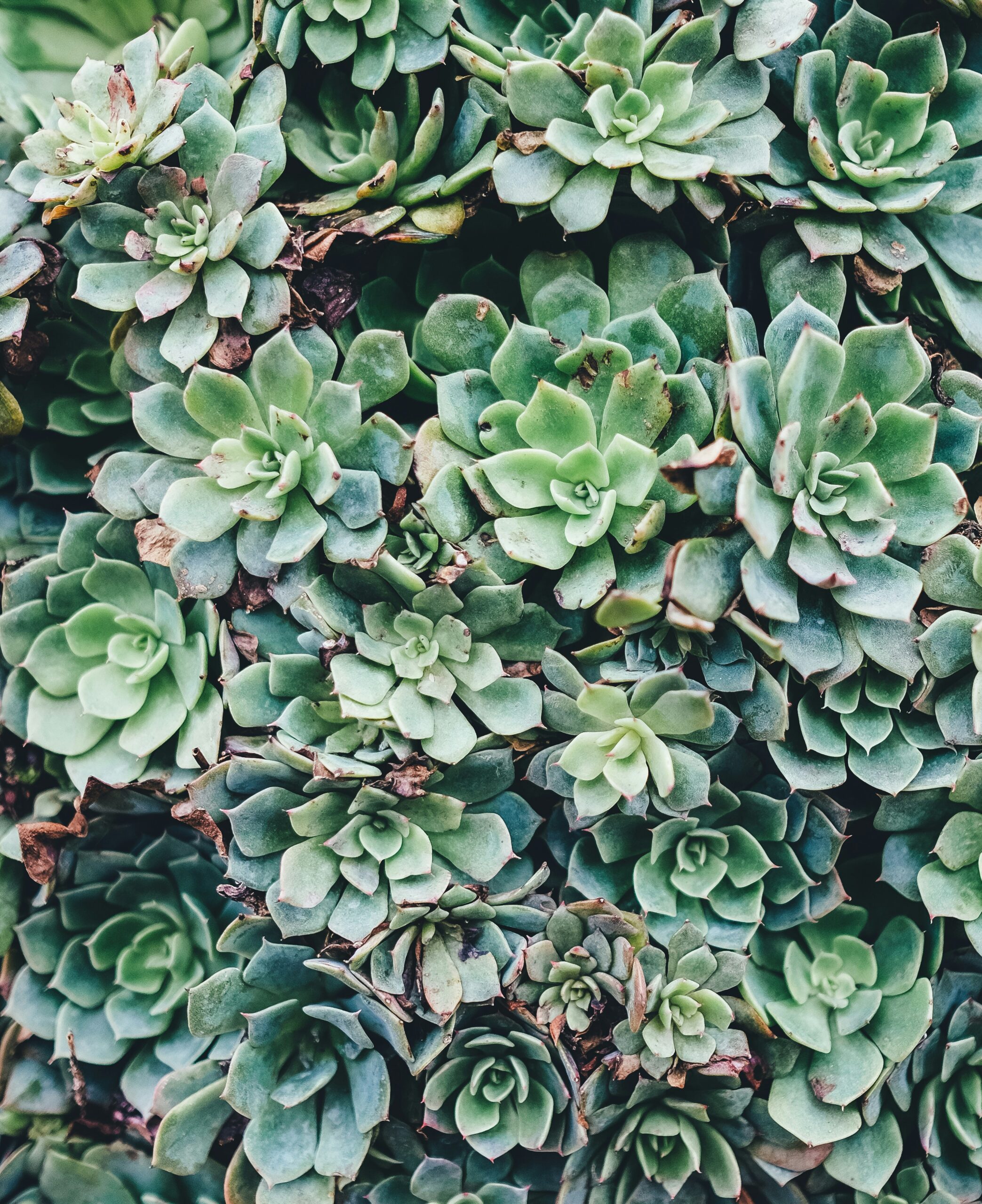
Introduction to Thulasi Plants
Thulasi, also known as holy basil, holds a significant place in various cultures, particularly in Ayurveda and Hinduism. This sacred plant is not just admired for its aromatic leaves but also praised for its extensive health benefits. Regular consumption of thulasi leaves can enhance immunity, reduce stress, and improve respiratory health.
Health Benefits of Thulasi
The thulasi plant is renowned for its medicinal properties. It is rich in antioxidants, which help combat oxidative stress in the body. Additionally, thulasi is known to promote mental clarity, support heart health, and exhibit anti-inflammatory effects. Incorporating thulasi in your daily diet can significantly contribute to overall well-being.
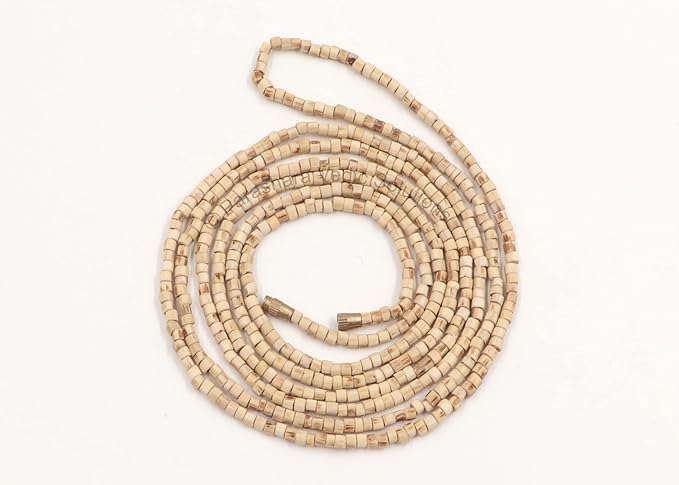
Wearing Thulasi Mala: A Spiritual and Physical Approach
Thulasi mala, a necklace made from the dried stems and leaves of the thulasi plant, is often worn for spiritual practices and meditation. Wearing thulasi mala is believed to provide protection and enhance spiritual connectivity. Furthermore, it is said that the continuous contact with the thulasi mala can help purify the aura and ward off negativity.
Besides spiritual benefits, wearing thulasi mala can also promote physical wellness. It is believed to help maintain your body’s energy balance, and many users report a sense of calm and clarity during rituals and daily activities. By combining the use of thulasi plants and thulasi mala, individuals can experience profound benefits for both their mind and spirit.